
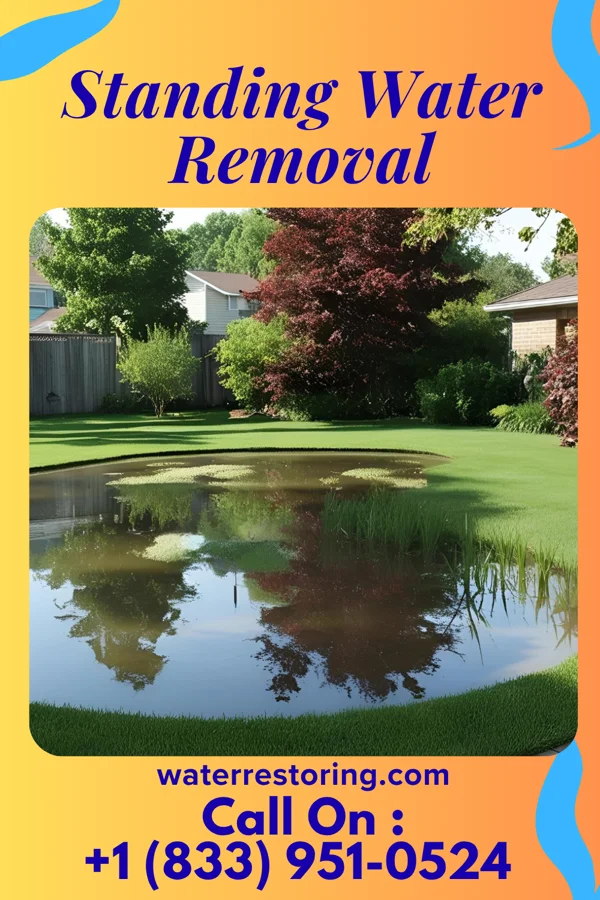
Ground-Water Standing Water in Darrington
Water damage in Darrington tends to cluster in predictable windows because of the local climate. In Darrington, Washington, primary water damage often stems from sudden flooding due to heavy rainfall and snowmelt, particularly in the spring and early summer. The region's proximity to the Skagit River and surrounding wetlands increases the risk of water intrusion into homes and businesses. Additionally, the rural nature of the area means that drainage systems are less developed, leading to localized pooling and water damage. A close second is Secondary causes include plumbing failures such as burst pipes, leaking appliances, and roof leaks, which are common in older homes. The area's cold winters can also lead to frozen and thawed pipes, causing unexpected water damage. Additionally, the presence of nearby lakes and rivers means that high tides or storm surges can impact low-lying properties..
Darrington experiences a temperate rainforest climate with frequent precipitation, leading to a higher likelihood of water damage year-round. The area is also prone to landslides and erosion due to its steep terrain and heavy rainfall, which can compromise foundations and cause structural issues.
Darrington experiences a temperate rainforest climate with frequent precipitation, leading to a higher likelihood of water damage year-round. The area is also prone to landslides and erosion due to its steep terrain and heavy rainfall, which can compromise foundations and cause structural issues. The dominant local driver is In Darrington, Washington, primary water damage often stems from sudden flooding due to heavy rainfall and snowmelt, particularly in the spring and early summer. The region's proximity to the Skagit River and surrounding wetlands increases the risk of water intrusion into homes and businesses. Additionally, the rural nature of the area means that drainage systems are less developed, leading to localized pooling and water damage., with Secondary causes include plumbing failures such as burst pipes, leaking appliances, and roof leaks, which are common in older homes. The area's cold winters can also lead to frozen and thawed pipes, causing unexpected water damage. Additionally, the presence of nearby lakes and rivers means that high tides or storm surges can impact low-lying properties. showing up as the next most common cause. Damage builds in stages. Spread. Absorption. Microbial growth. Structural compromise. Every stage you pass through adds to the final bill.